FOCUS
Reimagining an icon:
the rebirth of Stoke Park
As Stoke Park undergoes a radical redevelopment, we speak to the man tasked with overseeing the project – Director of Golf Stuart Collier PGA. He reflects on the estate’s regeneration
WHEN Stoke Park closed its doors four years ago, it was more than merely a temporary pause. It marked the beginning of a rebirth for one of England’s historic estates.
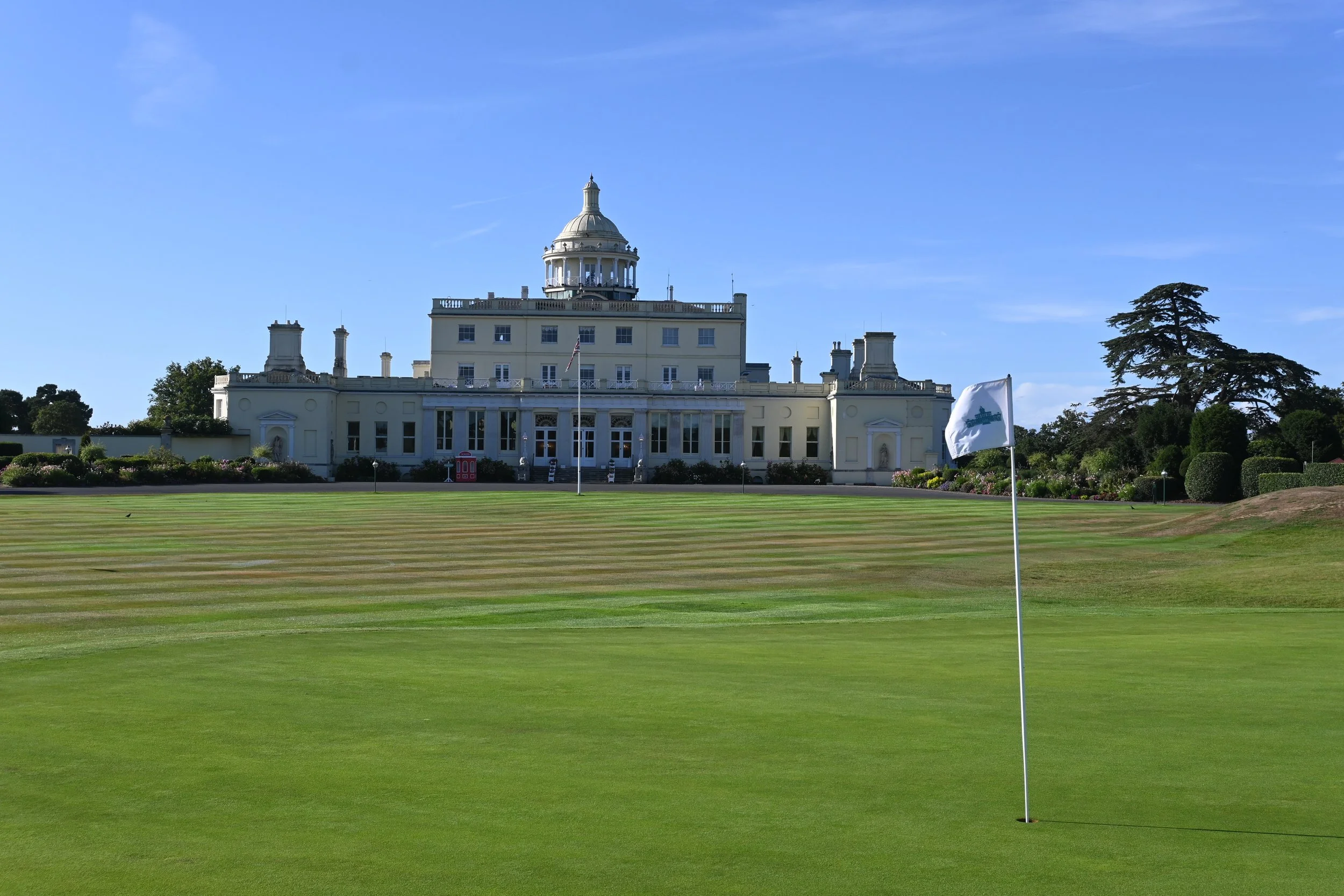
It’s the quintessential country club – a star of iconic film moments. Think Goldfinger, think Layer Cake, think Bridget Jones’s Diary, and Stoke Park comes immediately to mind.
Away from the red carpets, though, the business needed a new vision. “Quite frankly, lots of things were near end of life with regards to maintenance,” explained Director of Golf Stuart Collier, who has spent 26 years at the golf and leisure destination. “The mansion was probably the most obvious case.”
The club had been in family ownership for nearly three decades but was acquired by Reliance Industries – the huge Indian multinational company with interests in oil, gas and telecoms, led by Mukesh Ambani – in April 2021.
The new owner chose not to tinker round the edges but to entirely revamp the estate in an initial three-year development.
For Collier, it would become both a professional challenge and a personal opportunity.
That it was necessary was, for him, beyond doubt. The Grade I Listed mansion at the heart of Stoke Park summed up the new journey. As beautiful as it was, it was also becoming impractical.
“The new ownership could step back, take a breath and think long-term strategically, ‘What does this entire property need?’,” he explained.
“When we started with a blank piece of paper and thought about the customer journey, the customer experience and the different customer groups, we just had them all squeezed in the same area.”
He added: “Sometimes the lines got a bit blurred. In the President’s Bar, you might see a couple having pre-dinner drinks because they’re away for their 25th wedding anniversary, and you’ve also got 16 guys who played in the roll-up on a Friday afternoon, who are having a few beers and enjoying themselves.
“Maybe you’ve also got the overflow from a conference. We made it work, but it’s not about making it work. It’s about the property delivering its best for every customer.”
The solution was to redefine the many strands of the business that once co-existed uneasily.
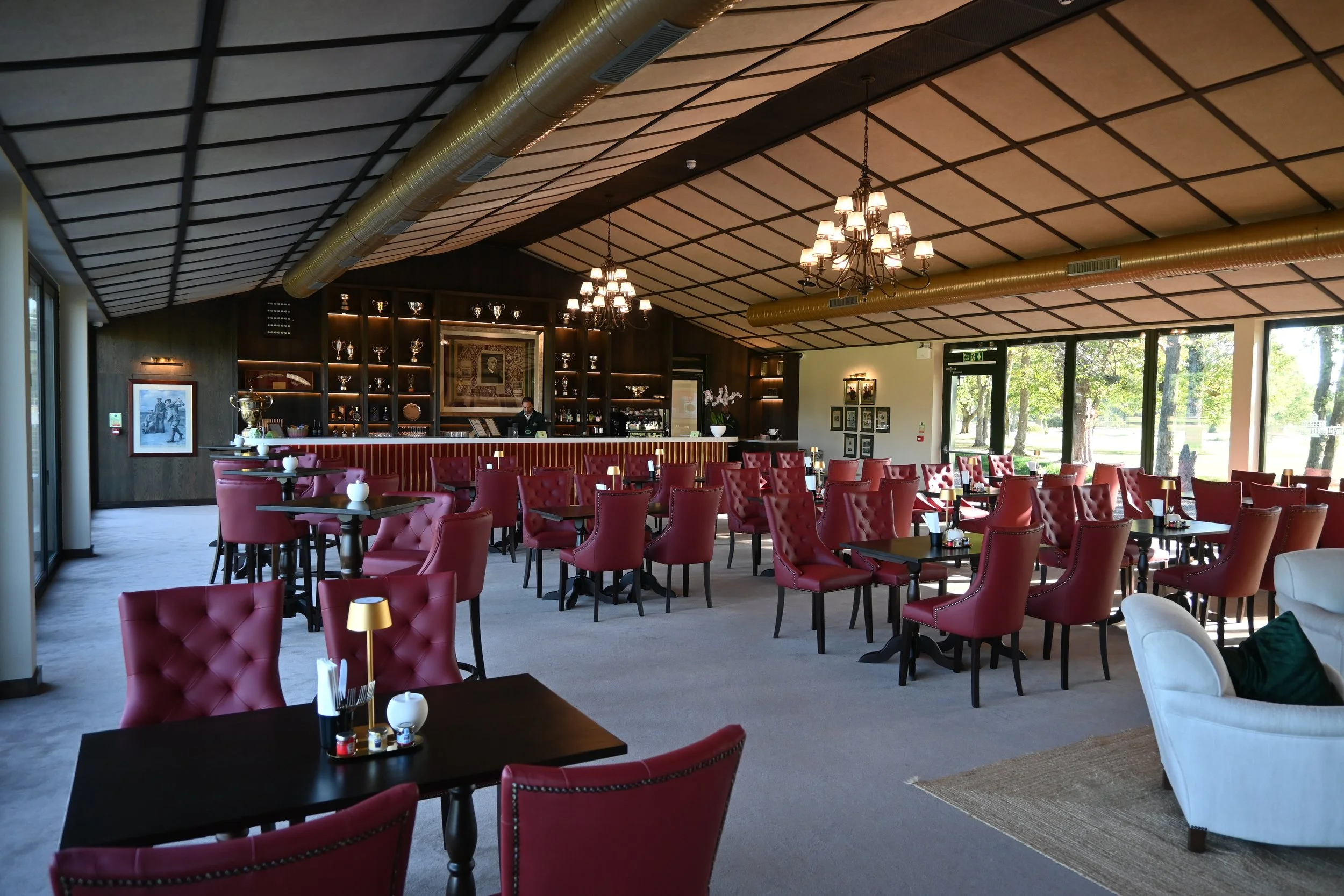
“One side of the estate is hotel focused, the other with plans being developed for a new clubhouse to be built to support golf – with a spectacular interim facility wowing visitors in the meantime”
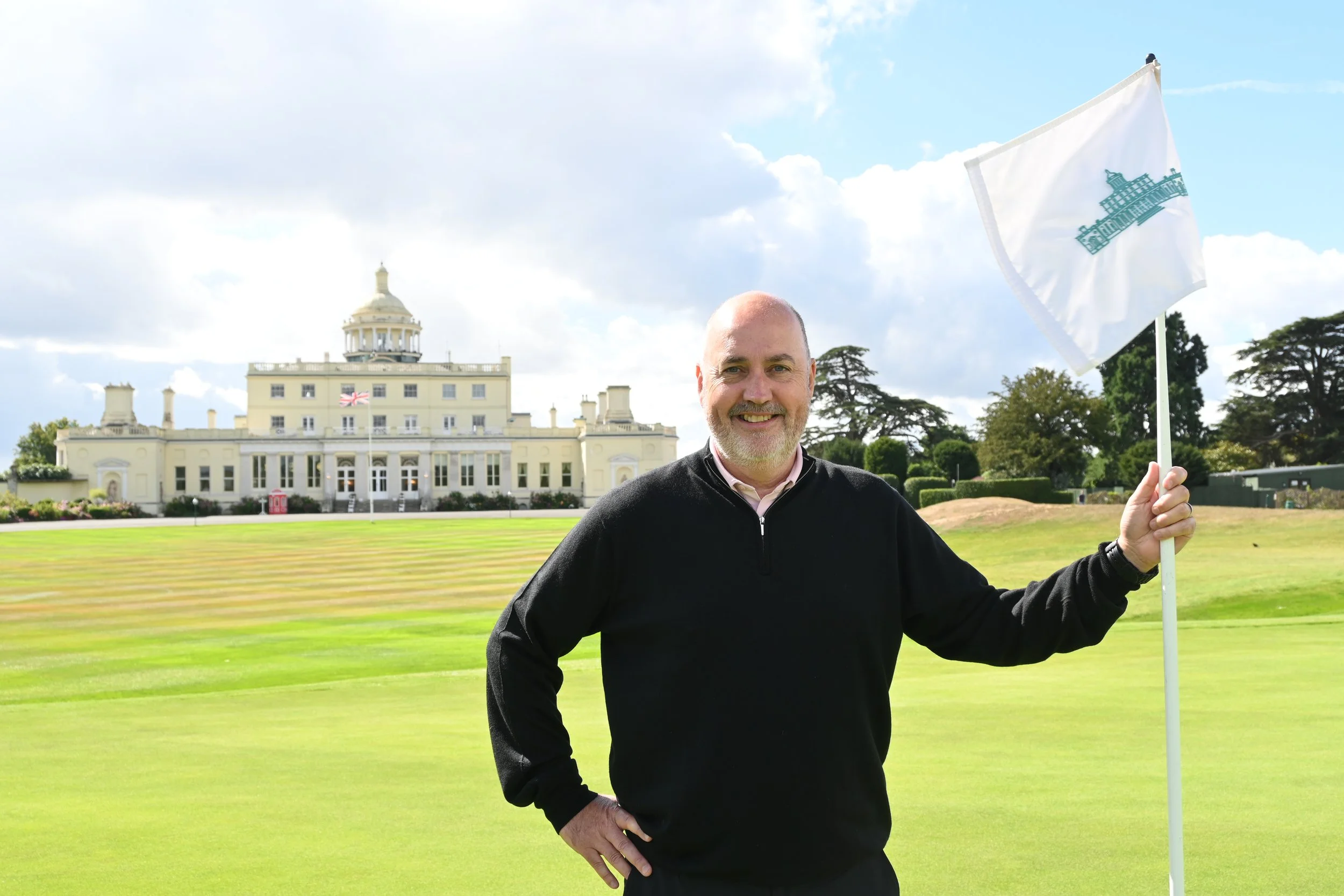
One side of the estate is hotel focused, the other with plans being developed for a new clubhouse to be built to support golf – with a spectacular interim facility wowing visitors in the meantime. The result is the golf course is being enjoyed in a much calmer and private fashion.
“If you multiplied golf rounds, staff, hotel guests, conference, spa, gym and so on, there was a constant flow of traffic in and out,” said Collier.
“It’s now become a very peaceful, private environment to play golf which people absolutely love.”
One of the biggest challenges for Collier and his team was ending the membership model that had been an important part of Stoke Park’s ethos for so long.
“It became quite clear to us that, with the ambitions of Reliance and how we saw the entire property working as one business, that we wouldn’t reopen with a membership model,” he said.
“It was incredibly challenging, but people understood the journey the owners were going on. Ultimately, if you’re living in a proprietary club world it is an owner’s right. They’ve purchased a business and it’s at their discretion to decide how they want to operate that business.”
What has emerged is a more flexible approach to business: pay-and-play access, the chance for exclusive hire of the course and estate, and a dynamic pricing structure that allows Stoke Park to prioritise quality.
Collier said: “There were countless opportunities for selling hotel plus wider facilities, but the mansion and hotel was the clubhouse too.
“How can you have an exclusive hire when it’s the ladies’ bridge drive on a Tuesday afternoon? We’re now in the fortunate position that, as a business, we don’t need to rely on the guaranteed income of 400 to 800 members to set you up for the year. For lots of clubs, 80 to 90 per cent of their income is membership driven.”
Perhaps the most tangible example of this new approach was seen at the start of 2025 when Buckinghamshire was hit by a prolonged period of rain and heavy frost. While many golf clubs would have been under pressure to open, even if conditions were not suitable, Stoke Park stayed closed.
“We wouldn’t have done that in the past,” said Collier. “I would have had to have opened. We would not have wanted to open, with how poor the conditions were, but there would have been times – with the pressure from your membership – where we would have said, ‘we’re going to open this weekend’.”
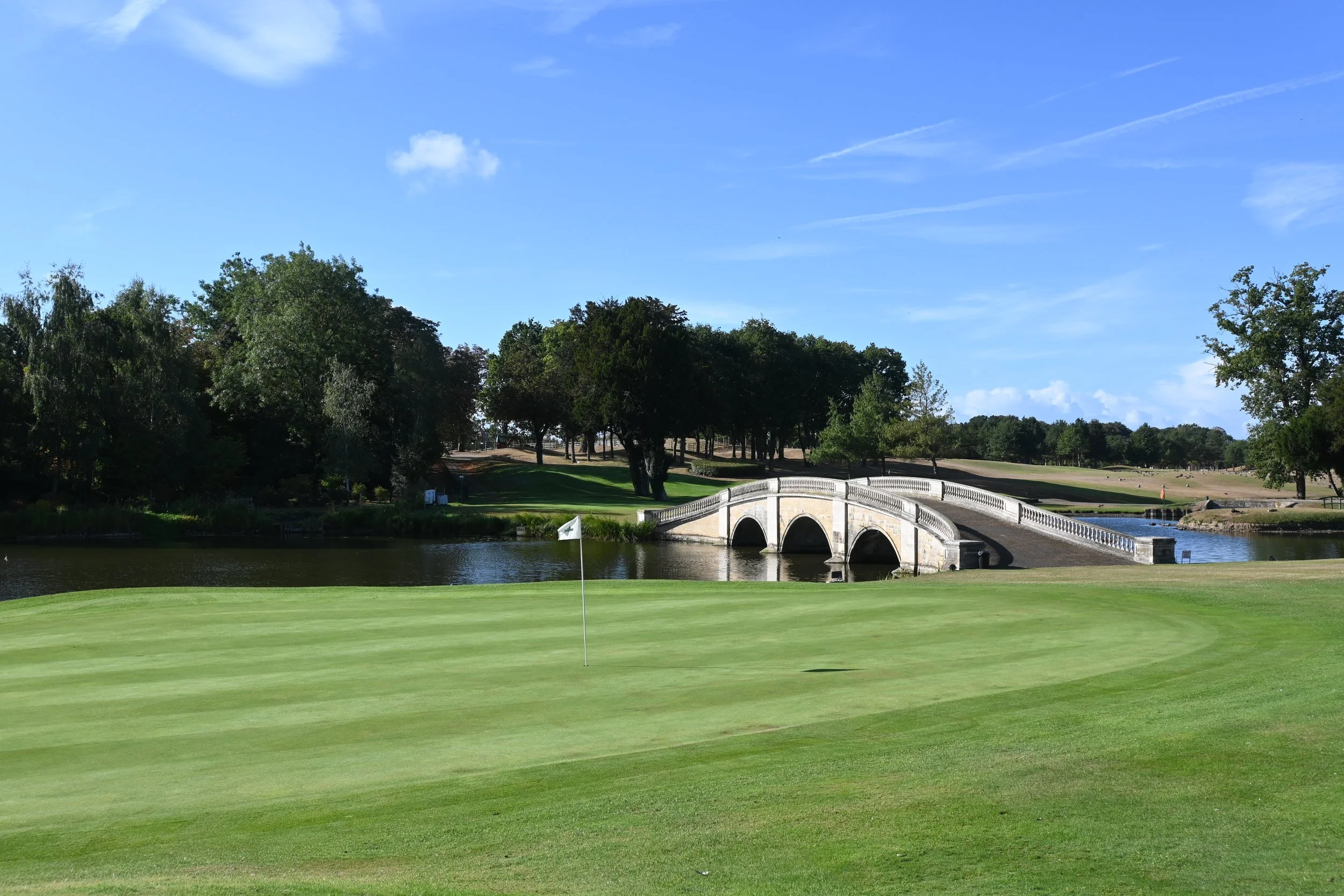
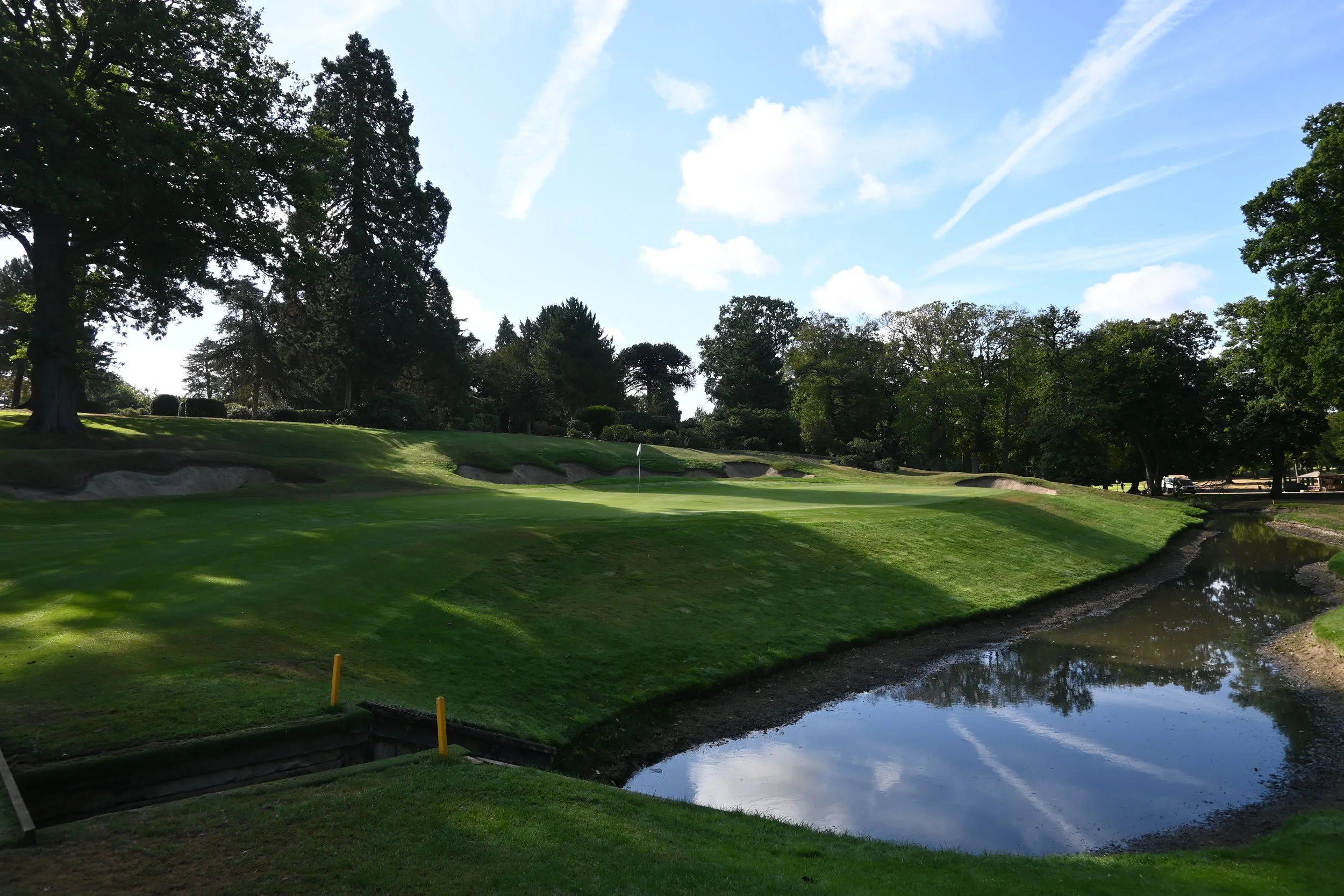
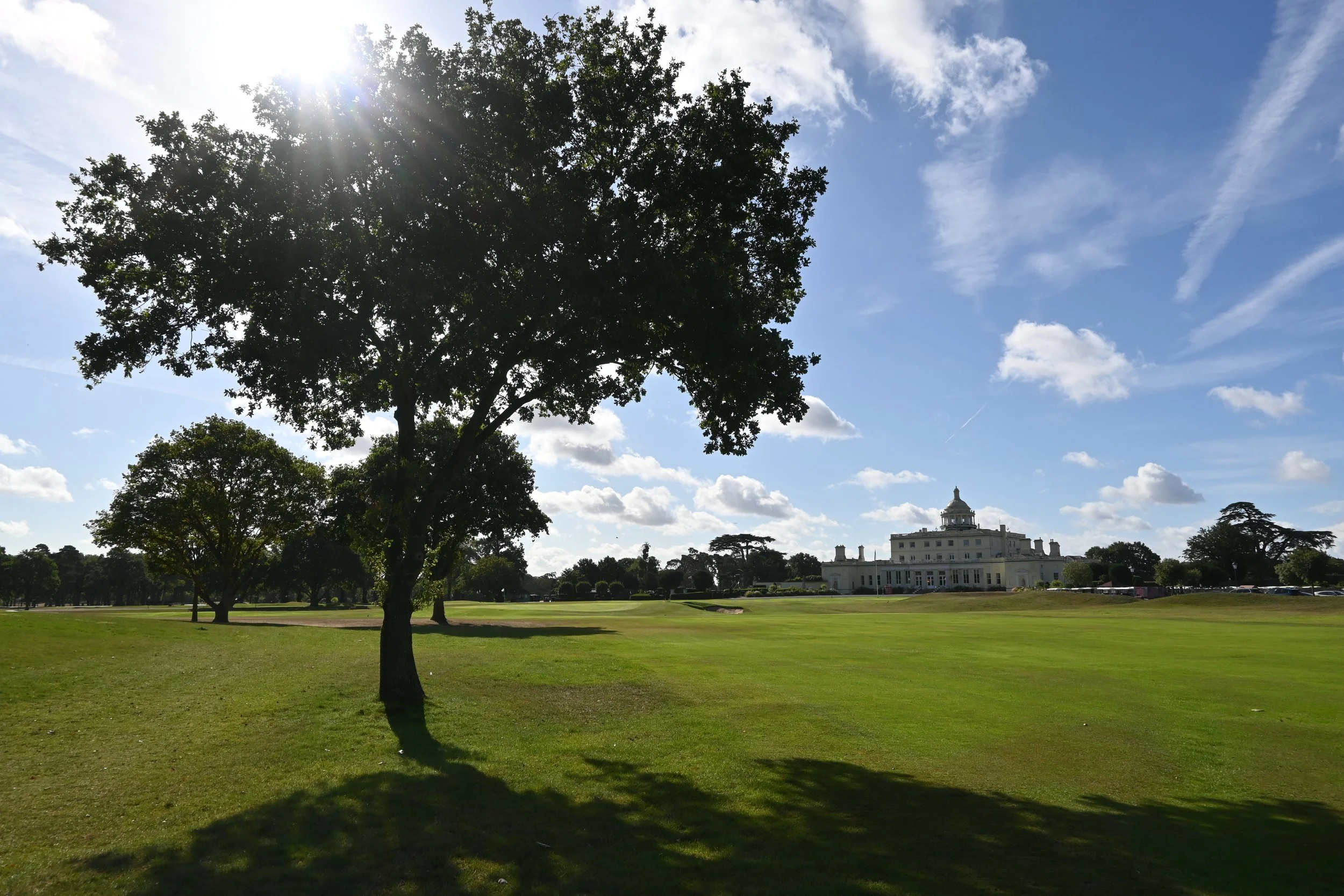
Now the golf experience is first, with Stoke Park confident in its diversified revenue model.
Collier added: “We can reduce the number of tee times, we can reduce the opening window of the tee times, or the golf course can be booked out completely.
“There is an ability to be dynamic about dialling up and dialling down the number of players per day, subject to whatever else we’ve managed to sell across the entire property.”
For Collier personally, the development also offered him a chance to step back from the intensity of running a busy golf operation. But, rather than mourning the loss of community and the hustle and bustle of the day-to-day, he was excited about the opportunities it provided.
“We wanted to significantly upgrade, refurbish and improve the whole estate and business. What did I need to do during this period to make sure I improved myself and took myself on that journey?”
He achieved the Club Management Association of Europe’s Certified Club Manager designation.
Collier gained new perspective from the educational pathway – “going from a goal focused role into a much broader general manager experience” – and engaged with like-minded people who had been on the same journey.
“I obviously had the time to attend all the MDPs (management development programmes), all the way through to the CCM, and also benefit from the much broader network that I’ve gained. That enables me to pick up the phone to a much wider network of people who have got different experiences.”
As the estate gradually reopens, with a move to operating five days a week likely from 2026, Collier’s expanded skill set will be utilised across golf, leisure and hospitality.
So as Stoke Park’s next chapter unfolds, he will be blending tradition and innovation as the estate moves into its new era.